







Search Results for: Latte Coffee Ratio

Coffee to Milk Ratio | How does the coffee-to-milk ratio in a latte affect the taste? What's a suitable coffee-to-milk ratio for making a latte at home?
Front Street bets that among all the coffee drinks coffee machine owners make at home, milk coffee must be at the top, and among them, the latte is the undisputed "face" that everyone favors. Because of this, Front Street constantly receives many questions about making lattes at home, such as "what milk is best" and "how [more…]
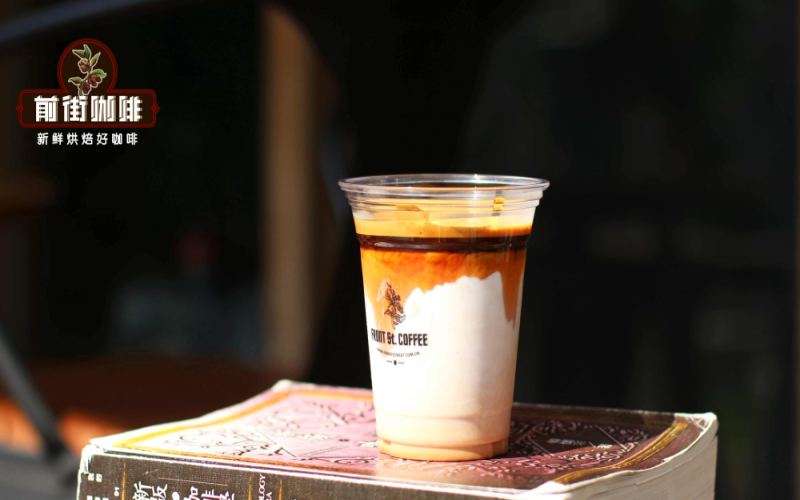
Latte Recipe | How to Distinguish Cappuccino, Mocha, and Latte? What Is the Espresso-to-Milk Ratio for Making a Latte?
For more specialty coffee knowledge, please follow: Front Street Coffee (Frontsteet Coffee). Front Street bets that among all the coffee drinks made at home by those who own a coffee machine, milk coffee must be at the top, and among them, the latte is the "face" that is especially favored by everyone. Because [more…]

How Should the Espresso-to-Milk Ratio for a Latte Be Determined? Adjustment Approaches for Different Roast Levels and Hot vs. Cold Drinks
When making a latte at home, the question I get asked most often is what ratio of coffee to milk to use. Actually, there's no single standard answer to this question, because the beans' origin, processing method, roast level, and the flavor you ultimately want to present will all influence the choice of ratio. This article starts with espresso extraction, first explaining the extraction parameters suitable for medium-dark and medium roasts respectively, then, according to three types—dark-roast espresso beans, medium-dark roast blends, and floral-fruity medium-roast beans—gives specific ratio ranges for hot lattes and iced lattes, and combines Front Street Coffee's production examples to help you find the cup of latte that suits your taste. [more…]
Step-by-step Iced Latte Tutorial | What coffee beans to use for iced latte? What milk-to-coffee ratio tastes best? What to note when making iced latte at home?
Iced latte coffee seems like a very simple thing to make, [put ice, pour milk, pour coffee] and it's done. Though the operation looks simple, making a delicious iced latte still requires a good deal of mental understanding. First point: choose suitable materials. Why is iced latte so simple, yet basically every coffee bean menu has [more…]

Coffee Latte | What are the methods and techniques for making a latte? Which espresso beans are suitable for making a latte? Introduction to the latte milk-to-coffee ratio and espresso extraction recipe
Making a latte can be said to be a skill for every barista: first extract the espresso, then prepare the milk, and let the two achieve a perfectly balanced taste. But many friends say that when they make lattes at home, they always fail to achieve the effect of a coffee shop, so they ask Front Street Coffee for tips on making latte coffee. Iced latte coffee see [more…]
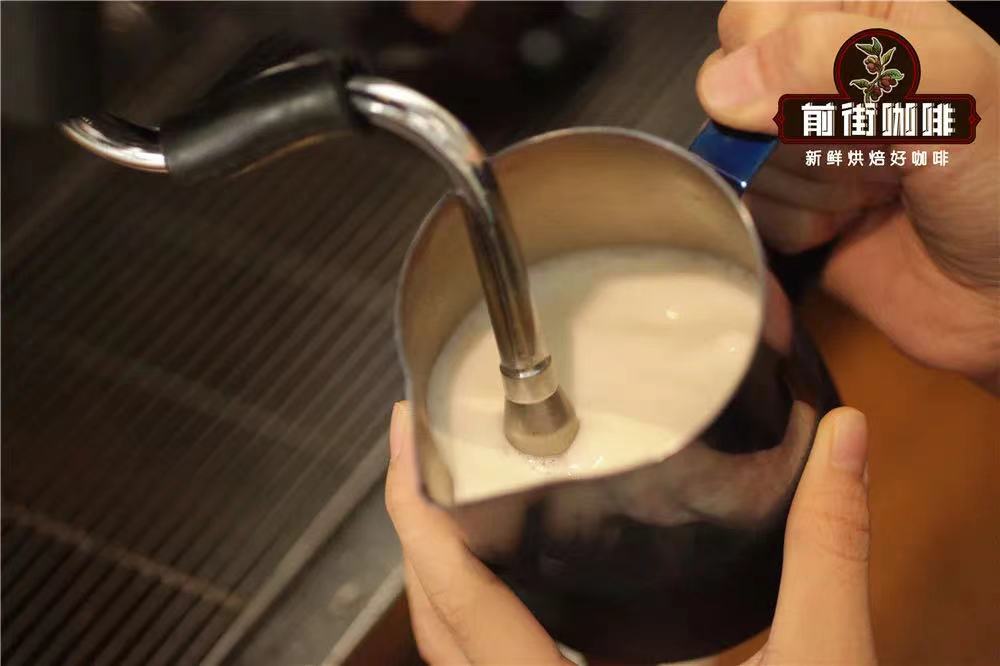
Homemade Latte Recipe | How Can Coffee Beginners Make a Delicious Latte at Home? What Is the Coffee-to-Milk Ratio for a Latte?
For professional coffee knowledge exchange and more coffee bean information, please follow Coffee Workshop (WeChat official account: cafe_style). For more specialty coffee beans, please add our personal WeChat Front Street Coffee (FrontStreet Coffee), WeChat ID: qjcoffeex. Quite a few friends have asked [more…]

How Should the Milk-to-Espresso Ratio Be Set for a Latte? A Guide for Pairing Different Roast Levels with Hot and Cold Drinks
When making a latte at home, the step that most often trips people up isn't steaming the milk—it's not knowing exactly what ratio of coffee to milk to use. This article centers on the frequently asked question of "how much milk is appropriate," first explaining the balanced characteristics a good latte should have, then starting from the espresso extraction formula commonly used at Front Street Coffee, and combining the performance of coffee beans at different roast levels such as medium-dark and medium roast to break down the recommended ranges for coffee liquid and milk in both hot and iced drinks. The article will provide basic parameters such as a 1:2 coffee-to-water ratio and a 25–30 second extraction, and will also use specific cases like dark-roast Robusta, Sunflower·Warm Sun blend, and Huakui SOE to explain how to flexibly adjust between 1:4 and 1:8, helping coffee enthusiasts find a latte recipe that suits their taste more quickly. [more…]

Espresso Coffee Latte Caffè latte | Is a latte coffee? Latte coffee flavor, taste, origin, history, preparation method and ratio introduction
For more specialty coffee knowledge, please follow: Front Street Coffee (Frontsteet Coffee) "Latte" is a transliteration of the Italian word "Latte". In Italy, "Latte" simply means hot milk, while latte coffee is called "CoffeeLatte", and is a type of fancy coffee. [more…]

Why Does Removing Ice from a Latte Affect Flavor? Is It Feasible to Add Ice to a Hot Latte? A Detailed Explanation of Key Latte-Making Points
Can a latte be ordered without ice? Can ice cubes be added to a hot latte? These seemingly simple questions actually involve the ratio of milk to coffee, the extraction state of the espresso, and the control of milk temperature. Starting from the fixed ratio of a good latte, Front Street Coffee analyzes how removing or adding ice affects the flavor, and systematically sorts out the causes and solutions for the three common problems of lattes: too bitter, too watery, and both bitter and bland. Whether you are a beginner just starting out or a veteran looking to produce consistent results, you can find practical directions for adjustment. [more…]
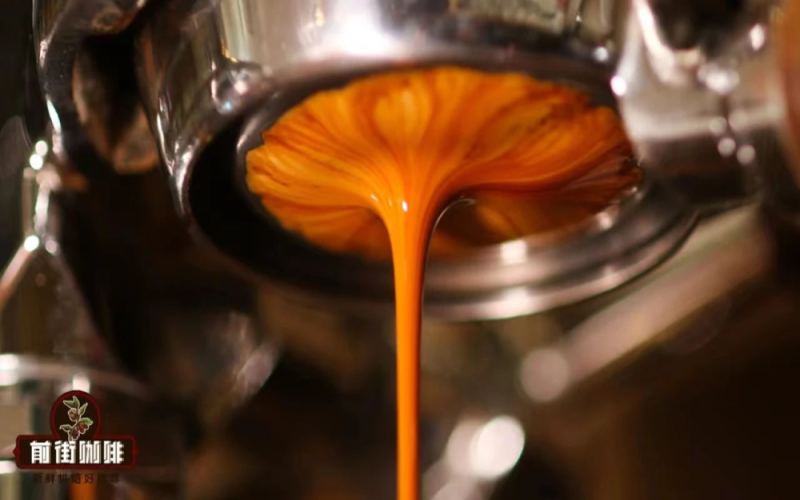
Latte Coffee Ratio | How to Make a Beautiful Latte Art Latte at Home? What Italian Coffee Beans Are Recommended for Espresso Lattes and Americanos
Quite a few friends have asked Front Street Coffee why, even when they use the same beans to make a latte, the taste always differs somewhat from what they drink in the shop. Why is that? First of all, the most traditional explanation of latte coffee is actually milk + coffee (without a fixed type of coffee). Later, the latte coffee introduced by Starbucks is [more…]
How to Distinguish Cappuccino, Mocha, and Latte? A Detailed Guide to the Ratios of Espresso and Milk
Latte, cappuccino, and mocha all contain espresso and milk, but their styles and ratios differ noticeably. Starting from the flavor balance of a latte, this article explains how espresso extraction parameters affect the performance of a milk coffee, and compares the thick milk foam of a cappuccino with the sweet aroma of a mocha after chocolate is added. The article also combines beans such as Front Street Coffee's classic espresso blend, Huakui SOE, and Xizhua to provide coffee-to-milk ratio suggestions for hot and iced drinks under different roast levels, helping coffee enthusiasts find a pairing method that suits them when making cold brew at home. [more…]

Iced Latte Beginner's Guide | What's the Right Ratio of Milk to Coffee for an Iced Latte? What Should You Watch Out for When Making an Iced Latte at Home?
Making espresso is an essential skill for every barista, and nearly every coffee shop serves espresso-based drinks. What we commonly call espresso drinks are a series of coffee beverages made with espresso as the base. Today, let's make the easiest milk coffee among espresso drinks—the iced latte. The iced latte may seem like a [more…]

Insights on Making an Espresso Latte: A Complete Analysis from Ingredient Selection and Milk-to-Coffee Ratio to Key Operational Points
Latte is a required course for every barista. It seems that all you need to do is mix espresso with milk, but recreating a cafe-level drink at home is not easy. Based on Front Street Coffee's hands-on experience, this article systematically breaks down several key steps in making iced lattes: how to choose suitable coffee beans and milk, how to determine a reasonable milk-to-coffee ratio, and which easily overlooked details matter during operation. The article also introduces Front Street Coffee's classic espresso blend, as well as the specific ratio parameters for using Sunflower · Warm Sun Blend and Vitasoy fresh milk, helping enthusiasts consistently make a well-balanced iced latte at home. [more…]
A Step-by-Step Guide to Making an Authentic Latte: A Full Analysis of Milk Quantity and Espresso Ratios for Hot and Iced Drinks
Making a latte at home, do you always find that yours turns out either too bitter, or the milk flavor overwhelms the coffee aroma? Actually, as long as you choose fresh ingredients, master the espresso extraction ratio, and then adjust the coffee-to-milk combination based on the bean's roast level and whether you want a hot or cold drink, you can easily recreate coffee-shop quality. This time, Front Street Coffee breaks down the key points of latte-making clearly: from the espresso extraction formula and the flavor tendencies of beans at different roast levels, to the coffee-to-milk ratios best suited for hot lattes and iced lattes respectively, along with reference solutions based on specific products such as Front Street Coffee's Huakui SOE and Sunflower·Warm Sun blend. Whether you prefer a rich, toasty aroma or a fresh, floral-fruity profile, you can find the balanced, delicious cup that suits you. [more…]
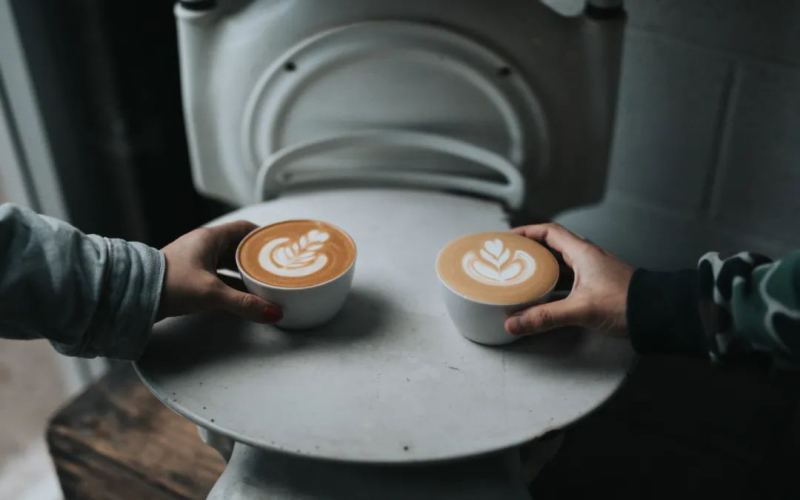
Latte Coffee | What Does Latte Coffee Mean? How to Make Latte Coffee
When it comes to today's popular drinks, the latte is perhaps the most common coffee beverage and one of the milk coffees most people are familiar with. A latte is a type of espresso drink, made with espresso as its base, to which steamed, frothed milk is added and blended in a certain proportion. Based on the definition of a latte [more…]

Latte Coffee Making Guide: From Coffee Bean and Milk Selection to Extraction Ratio, Crafting a Fragrant, Sweet Hot Latte
As the weather turns cooler, a hot latte has once again become the daily go-to for many people. However, recreating a café-quality rich and sweet latte at home is no easy task—friends often report that their lattes either let bitterness steal the show, or the milk flavor completely overwhelms the coffee aroma. In fact, the key to a delicious latte lies in the coordination of three elements: bean selection, extraction, and ratio. Starting from Front Street's backend inquiries, this article systematically breaks down how coffee bean roast level affects latte flavor, how whole milk pairs best with beans, how to adjust espresso extraction parameters, and the golden ratio range between milk and coffee—helping you consistently make a balanced, mellow, and distinctly sweet hot latte at home. [more…]

How Long Can an Iced Latte Be Stored? A Full Breakdown of the Standard Latte Ratio and Preparation Details
Iced latte may seem like a simple three-step process—add ice, pour milk, pour coffee—but making a truly delicious iced latte involves much more than meets the eye, from selecting ingredients and getting the ratios right to mastering the operational details. This article will explore three key aspects: choosing coffee beans and milk, pairing milk-to-coffee ratios, and the critical details in the production process, helping coffee enthusiasts understand the flavor control logic behind iced latte. It will also answer a common question: how long can an iced latte be kept after it's made? Using Front Street Coffee's Sunflower Warm Sun blend and Vitasoy fresh milk as examples, the article provides specific parameter references and explains how the espresso extraction state affects the entire drink, making it suitable for those looking to elevate their iced latte-making skills. [more…]

Latte Coffee Espresso to Milk Ratio | How to Make a Latte Just Like a Coffee Shop? What Kind of Espresso Beans Are Suitable for Latte Art? Introduction to the Operational Details of Making Latte Art
"Boss! Why doesn't the latte I make at home taste as good as the one in your shop? Are you hiding some secret recipe?" This is a conversation that tends to pop up after many customers try the latte sold at Front Street Coffee shops~ To be fair, latte coffee doesn't have that many key points; you just need to pay attention to a little [more…]
Why is a latte not suitable for removing the ice? Is it okay to add ice cubes to hot coffee—hot coffee with fresh milk actually only has a room-temperature mouthfeel.
Many people's memory of their first latte has already faded, but Front Street Coffee still remembers the surprise brought by that cup of latte with exquisite latte art: the first sip carries the slight sweetness and bitter notes of the crema, the second sip turns mellow and delicate, forming just the right balance with the light sweetness of hot milk, and the finish still carries a creamy chocolate-like aftertaste. A good cup of latte cannot do without the fixed ratio of milk to coffee. An iced latte, once the ice is removed, often has the gap filled with milk, and the coffee flavor becomes weaker as a result; a hot latte is already made at the perfect ratio with the milk temperature properly controlled, so it is naturally not suitable to add ice cubes. This article centers on the latte recipe, analyzing the causes of common problems such as being too bitter, too watery, or both bitter and weak, and provides the practical parameters and adjustment ideas from Front Street Coffee's stores. [more…]

Always feel like your homemade latte is missing that certain something? A practical guide to the whole process, from choosing beans to the milk-to-coffee ratio.
Many people share this confusion: even though they have followed tutorials at home, the latte they make always falls short of the taste from a coffee shop. In fact, replicating a decent latte is not complicated—the key lies in mastering a few core steps: selecting coffee beans, ensuring stable espresso extraction, and getting the ratio between milk and coffee right. This article will approach these three dimensions to systematically outline the essentials of making lattes at home, and recommend three espresso blend beans suitable for daily use based on different taste preferences, helping you find your own perfect cup of latte. [more…]